Your quote is empty
Create your own quote from our selection of products.


In the world of renovation, few choices balance beauty, durability, and authenticity quite like natural stone. Natural stone makes a statement —it’s the kind of material that evolves gracefully with your home and holds its character for decades. At Stone3, a family-owned Brisbane studio founded in 2008, our passion lies in guiding homeowners through the art of selecting stone that feels both sophisticated and genuinely liveable.
When we talk about investment, it’s not just about resale value—it’s about lasting satisfaction and how you feel daily in a space. Natural stone stays relevant because it’s real. Unlike manufactured lookalikes, each tile tells an organic story shaped by time and geology. The subtle variations in hue, texture, and veining bring individuality to every space, ensuring your interiors never fade into trend cycles but mature into refined, timeless, seriously adult space.
Natural stone is chosen for a mix of performance and beauty. It’s durable, premium, and develops character over time. Natural stone can also support sustainability goals because it lasts for decades; it reduces how often floors and surfaces need replacing.
Before falling in love with a colour, start with how the stone will be used. Ask a few practical questions:
Natural stone flooring works best when you match the stone type and finish to traffic, moisture and lifestyle. A good supplier will help you sanity-check each zone rather than pushing one “hero” tile everywhere.
These spaces see the most movement, so choose a stone and finish that can handle grit and regular wear. Some natural variation helps too, since small marks won’t stand out as much. In open-plan homes, continuing stone through living spaces can make the house feel calmer and more connected.
Kitchens can suit natural stone, but only if the care matches the material. Quick wipe-downs, stone-safe cleaners, and appropriate sealing help protect the finish over time.
Bathrooms need extra care around slip suitability, especially in showers and areas that stay wet. Stone3’s Tile & DIY Info explains slip ratings and how to choose the right surface for wet zones. Use it to guide questions before you buy.
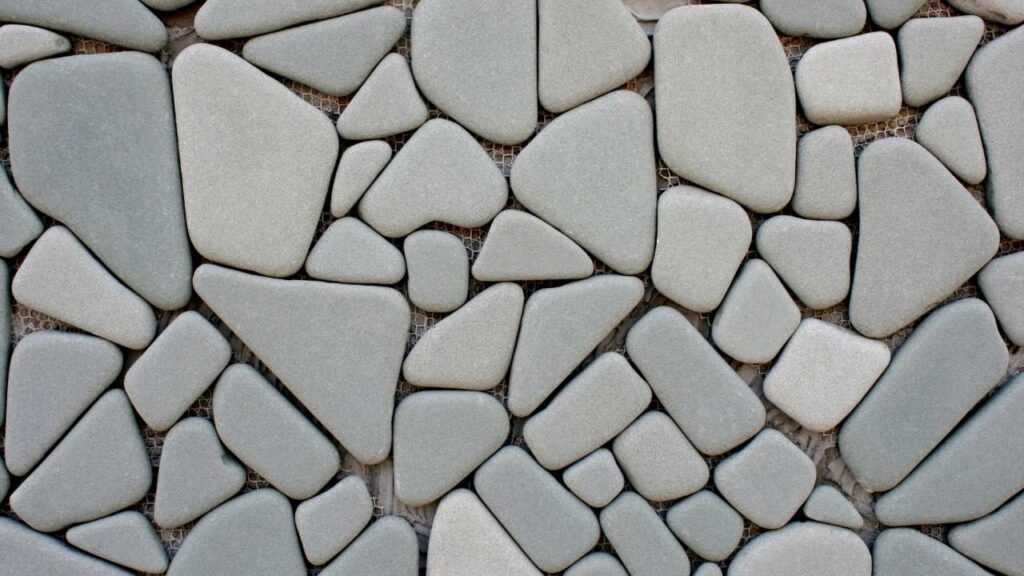
Natural stone wall tiles give you the visual impact without constant foot traffic. Stone3 also supplies loose natural stone walling for feature walls. Stone3 also supplies natural loose stone walling for feature walls. Perfect for entry statements, fireplaces or outdoor entertaining walls.
There’s no single “best” stone. The right choice depends on the finish, where it’s used, and how much maintenance you’re willing to take on. Use this as a starting point, then confirm suitability for your specific space.
| Stone Type | Commonly Suits | The Look | Maintenance Expectations |
| Travertine | Indoor–outdoor lifestyles; relaxed, natural spaces | Warm tones with organic movement | May require sealing and suitable cleaners; ask what’s recommended for your finish. |
| Granite | High-traffic areas; some outdoor or pool areas when specified correctly | Speckled or more consistent natural pattern | Generally durable, but finish choice still matters for grip and cleaning. |
| Natural Terrazzo | Feature floors and walls; statement looks | Chips and colour movement | Maintenance depends on the binder and finish. Always confirm sealing and care requirements. |
Natural stone often costs more upfront, and there are clear reasons for that. It’s shaped by several practical factors that affect supply, installation, and long-term performance. Cost is commonly influenced by:
Proper care keeps natural stone looking beautiful for years to come. Always use pH-neutral cleaners designed for stone surfaces and wipe up spills promptly to avoid staining. Understanding the stone’s natural variation and batch differences also helps you maintain a consistent, cohesive look over time.
Start narrowing your shortlist by browsing Stone3’s natural stone tiles for floors, walls, cladding, and feature walls. If you’re renovating and want help choosing the right finish for your space, explore Stone3 tiles in Brisbane and reach out for guidance when you’re ready.